Fauna
The first researches were carried out in 1956 by Alexandru Buia, M. Păun, followed by several botanists who published partial lists of plants from this massif.
The floristic spectrum The floristic and faunal diversity of the ecosystems within the Buila-Vânturariţa National Park is very large, due to a complex of factors, including:
- the mountainous relief that occupies a significant part of the territory, favoring the maintenance of natural vegetation which, in these areas, could not be replaced by agricultural crops due to the rugged relief of the calcareous ridge;
- the high frequency of the limestones on the day, marked in relief by sectors of gorges and small massifs isolated with steep slopes, chimneys, fissures, cheeses, dry valleys, grohotis that house a particularly interesting flora;
- the relatively mild climate, with sub-Mediterranean influences, which favored the spread of relatively thermophilic species;
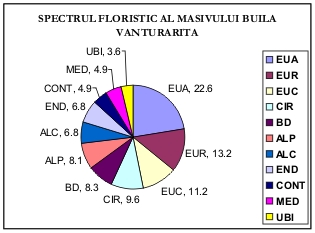
- Within the mountainous relief there is a great diversity of habitat types (ecological entity that indicates the living environment of the species, at the same time abiotic, but also biotic). This complex of factors correlated with the position towards the genetic centers and the paths of migration of flora and fauna, determined the existence of very different elements: Eurasian, European and Central European, Alpine-Carpathian, Sub-Mediterranean, Carpatho-Balkan as well as a series of endemic or subendemic species. The predominant elements on the Buila limestones are generally the Eurasian ones (22.6%) which, together with the European (13.2%) and the Central European (11.2%) and European (11.2%), comprise half of the total species. Then follow the circumpolar (9.6℅), Balkan-Dacian (8.3%), Alpine (8.1%), Central Alpine (6.8%), endemic (6.8%), continental (4.9%), Mediterranean (4.9%), ubiquitous (3.6%).
the layering of the vegetation The Buila-Vânturariţa massif, due to the altitude of up to 1885 m, has vertical layering of the flora according to the arrangement of the altitudinal and climatic steps, with specific characteristics of each floor. Vegetation floors (after Popescu Gh., 1974):
- Nemoral floor (of deciduous forests):
the understory of the beech trees;
the understory of beech forests with resinous trees; - the boreal floor (of the spruces);
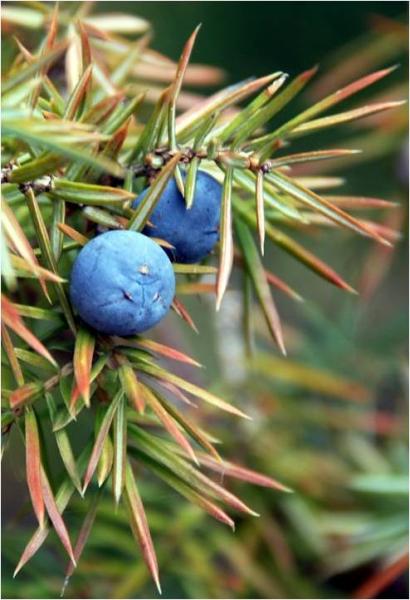
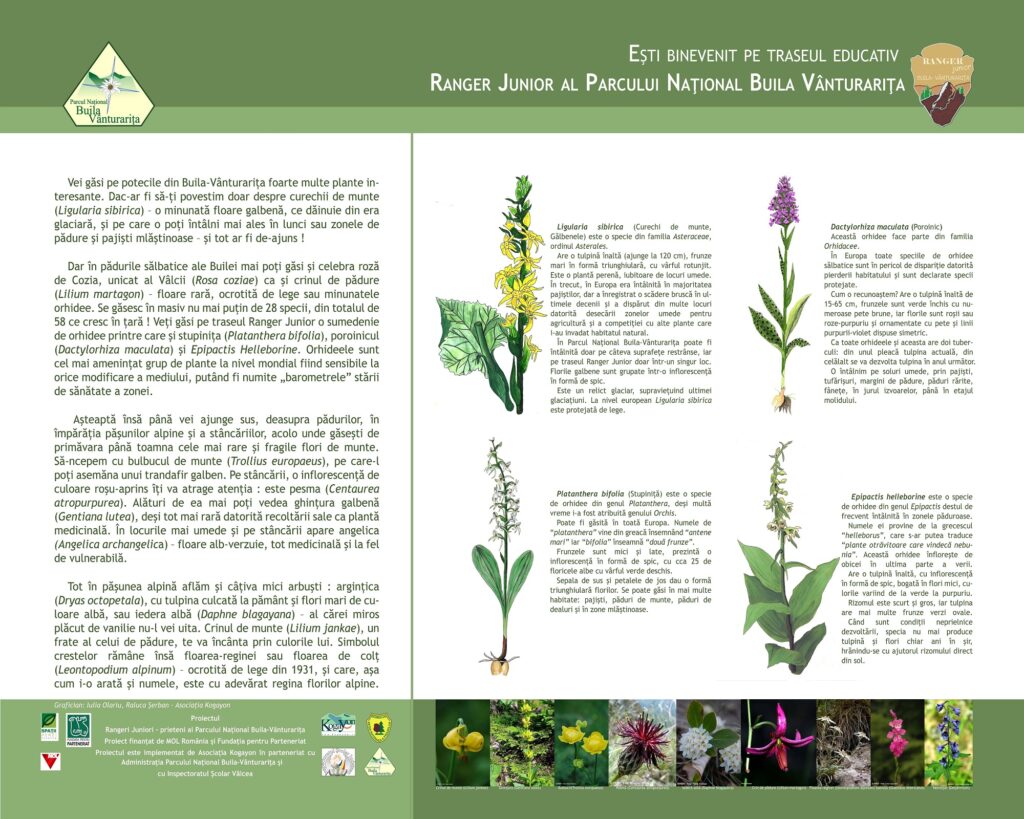
- subalpine floor; The rock meadows are dominated by silver (Dryas octopetala). Warts of warts (Juniperus sabina) are also found. In the Buila-Vânturariţa massif, the following are vegetated:
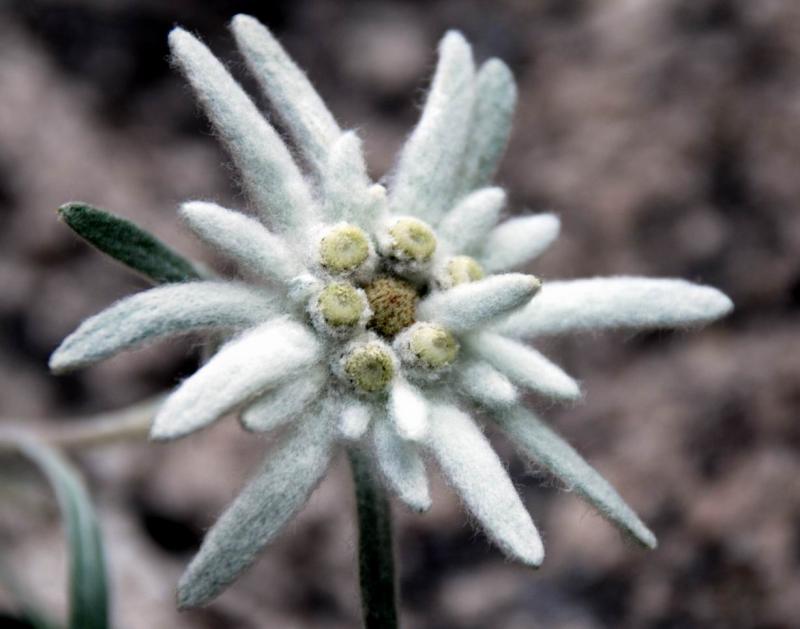
- Endangered species (E) = species at risk of extinction (endangered) whose survival is unlikely if the causative factors continue to act or whose populations have been impoverished to a critical level (eg Leontopodium alpinum – the corner);
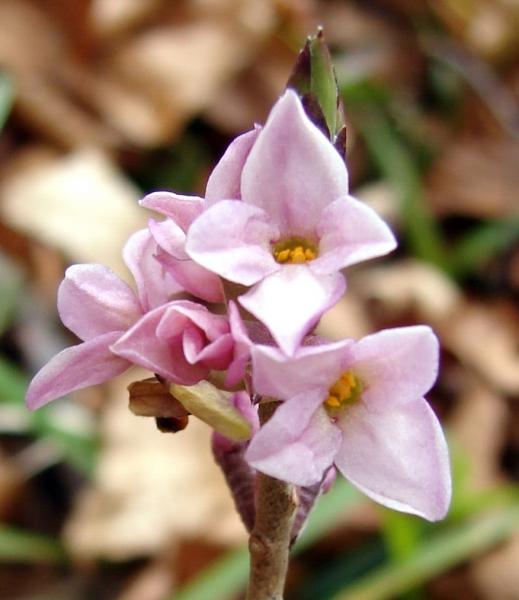
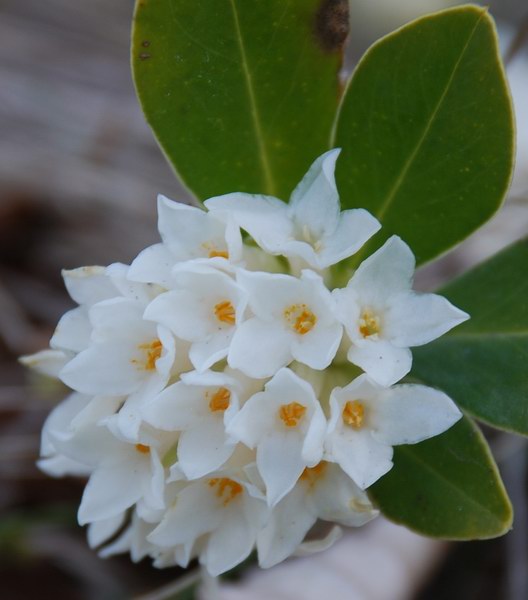
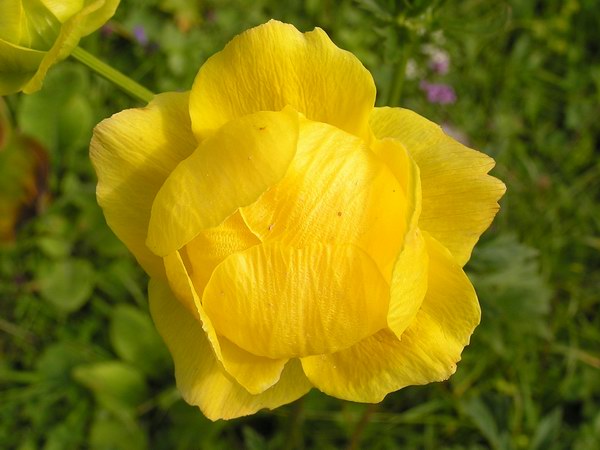
- Vulnerable species (V) = species considered possible to pass into the first category in the near future, if the causal factors continue to act; Included are species that have declining populations due to overexploitation and extensive habitat destruction or other environmental disorders (eg Trollius europaeus – mountain bulb, Dianthus spiculifolius, Daphne Mezereum – dwarf tulichina, Daphne Blagayana – white ivy);
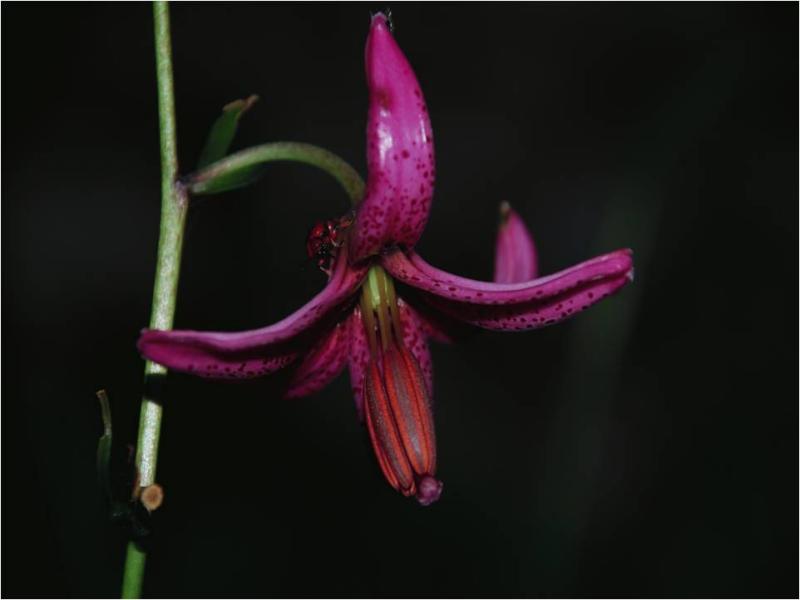
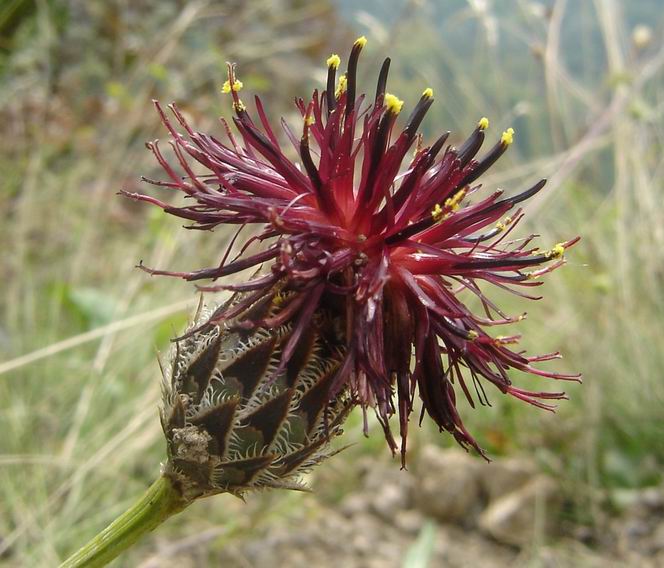
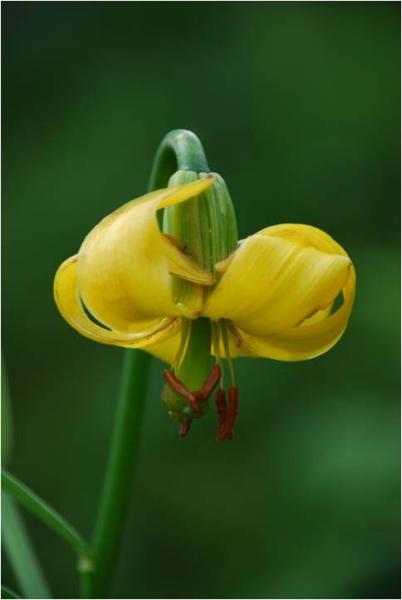
- Rare species (R) = species with small world populations, which are currently not threatened but which are at risk as a result of their restrictive range (Viola alpina – rock axe, Taxus baccata – yew, Lilium jankae – lily of the mountain, Lilium martagon – forest lily, Centaurea atropurpurea – pesma, Pinus mugo – juniper);
- unthreatened species (NT). Another category of species are the endemic ones: Centaurea pinnafida, Dianthus spiculifolius, Juniperus sabina.
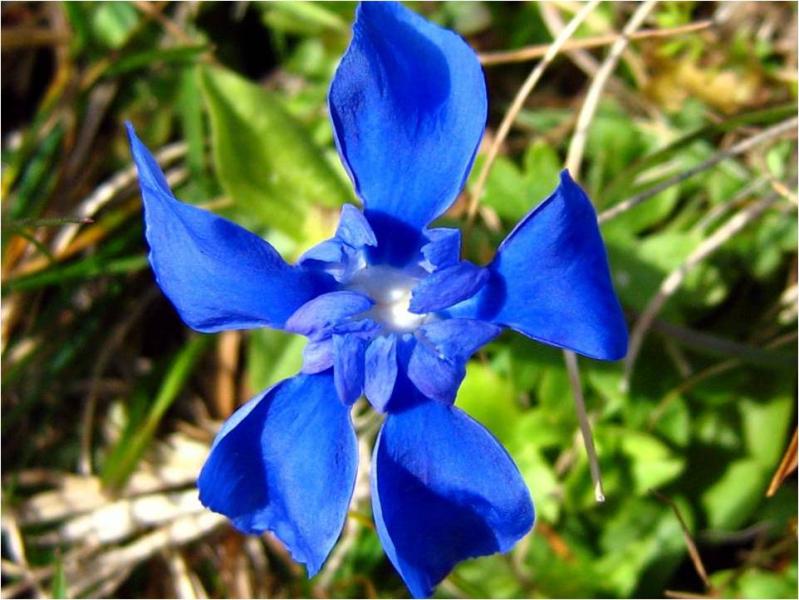
- In the Buila-Vânturariţa National Park, there are 28 species of orchids (according to Gh. Popescu, 1974): Epipactis Helleborine, E. Atrorubens, Gymnadenia conopsea, Orchis mascula, Platanthera bifolia, etc. Among the plants mentioned in the “Red List of Higher Plants from Romania” (M. Oltean et al.), in Buila-Vânturariţa we find Taxus baccata, Pinus sylvestris, Trollius europaeus, Junipeus Sabina, Dianthus spiculifolius, Daphne Blagayana, Gentiana Lutea.