Biodiversity

On the territory of the park there is a wide variety of habitat types. Thus, in the Buila-Vânturariţa National Park, 17 types of habitats have been identified that have a correspondent at the European level, some of which are priority habitats:

  • Short alpine and boreal bushes;
  • Scrubs with Pinus mugo and Rhododendron myrtifolium (priority habitat);
  • Calciphilic rupicole communities or basic Alysso-sedion meadows (priority habitat);
  • Alpine and subalpine calciphyllic meadows;
  • Nardus mountain meadows rich in species, on siliceous substrates (priority habitat);
  • Monilinia meadows on calcareous, peaty or clay soils (Moninilion caerulae);
  • Border communities with high hygrophilous grasses from the plains to the mountain and alpine level;
  • Alluvial meadows from cnidion doubts;
  • Low-altitude meadows (Alopecurus pratensis, Sangiusorba officinalis);
  • Mountain hay;
  • Calcareous and calcareous schists from the mountain floor to the alpine floor (Thlaspietea rotundifolii);
  • Rocky slopes with chasmophytic vegetation on siliceous rocks;
  • Caves closed to public access;
  • Beech forests of the Luzulo-Fagetum type;
  • Asperulo-Fagetum beech forests;
  • Dacian beech forests (Symphyto-Fagion);
  • Acidophilic forests of Picea abies from the mountain region (Vaccinio-Piceetea).
Discover Oltenia

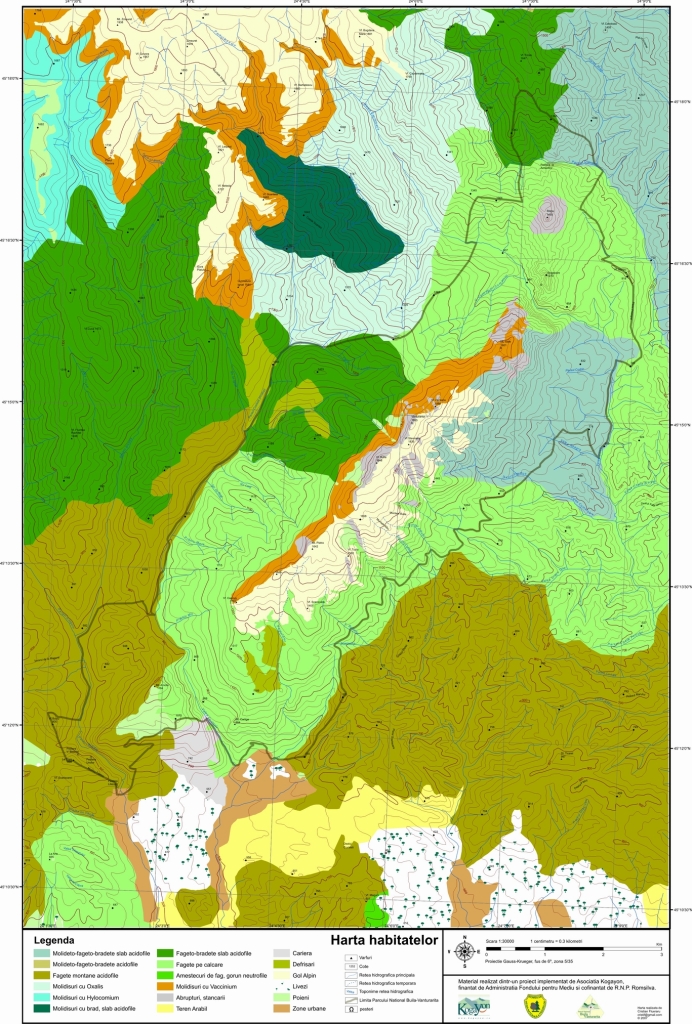
Vegetation map

The diversity of the forest

Vegetation map

These panels are part of the thematic route “The Forest Stories in the Buila-Vanturarita National Park”, financed in 2009 by the Deutsche Bundesstiftung Umwelt and Alfred Toepfer Stiftung F.V.S. Within the Naturegio – Trainees for Nature program.

In 2016, this thematic route was redone and extended support and financing from DocProcess, Flind implemented by the Kogayon Association in partnership with the Buila Vânturarița National Porc Administration.

Currently, the panels have been replicated in other areas of forests with high biodiversity and importance in conservation.

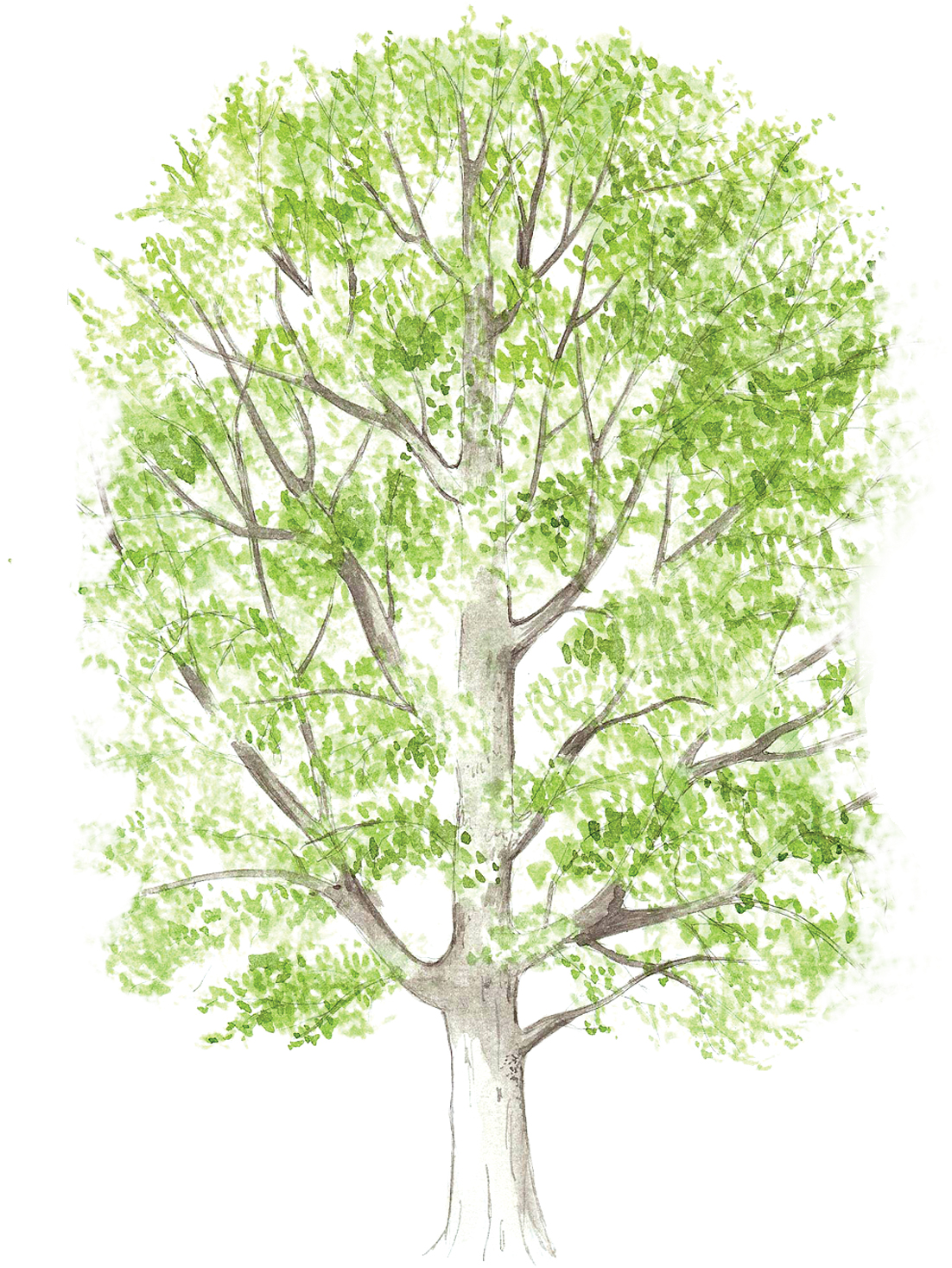
Fagul

The beech can have a very long life, even reaching the memorable age of 400 years!
The bark is light in color, light gray and is very smooth.
The beech fruit is called jir and is the favorite food of wild boars!
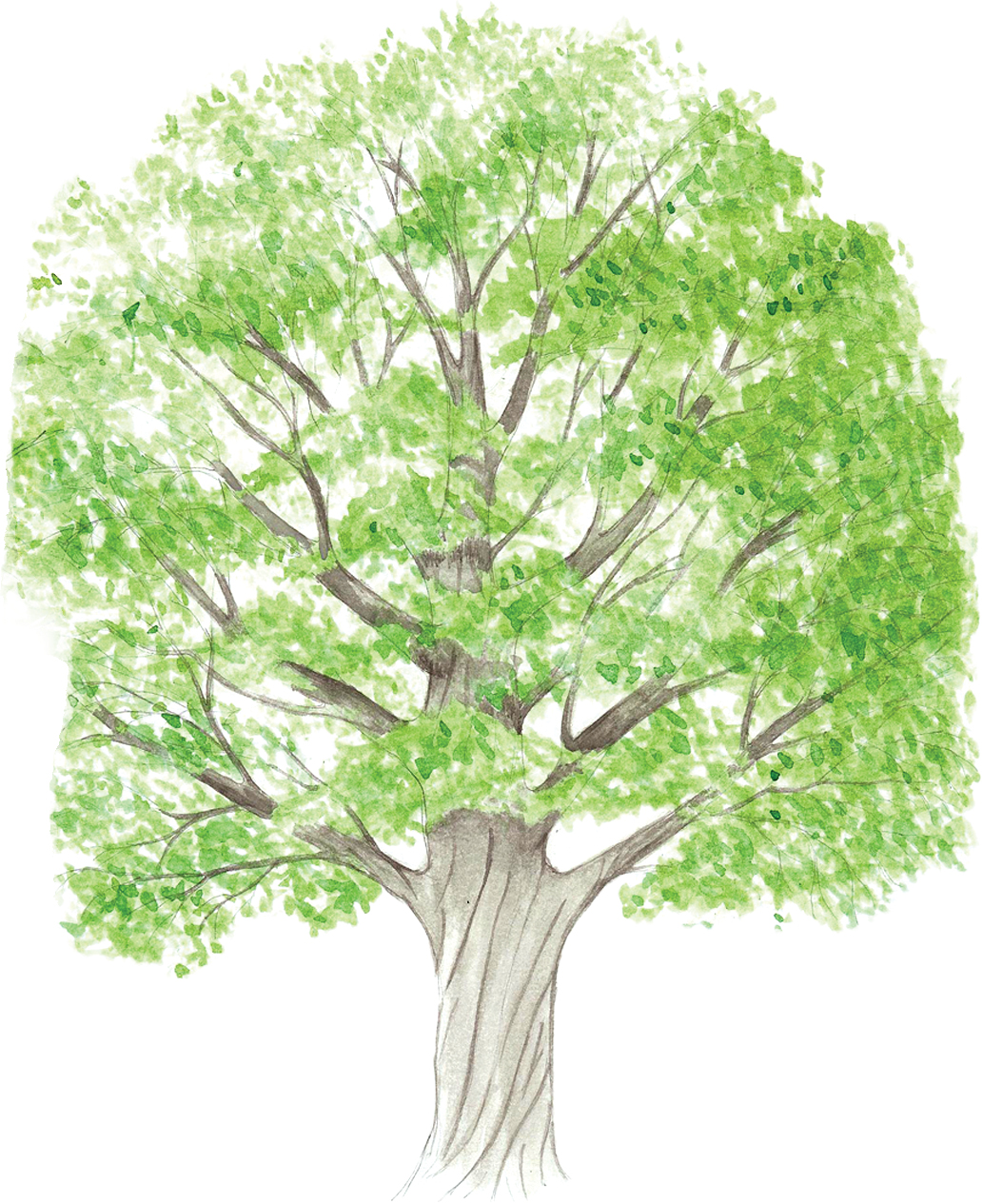
Carpenul

The hornbeam has an average age of approx. 100 years!
It has a vigorous trunk with a smooth, dark gray skin.
The hornbeam produces fruit only after 20 years, which are called achenes.
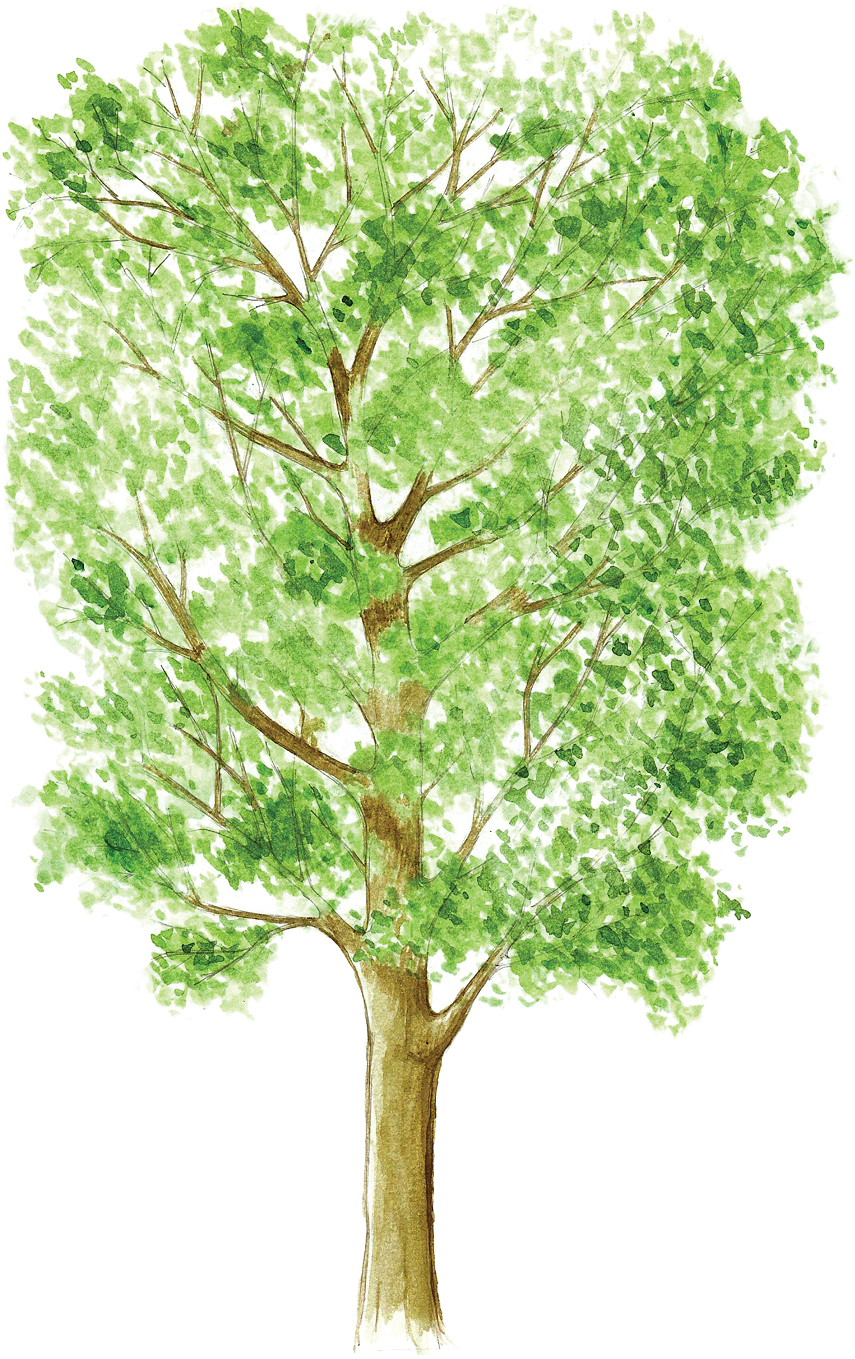
Paltinul

Paltin can often reach 40 m in height!
In young trees, the bark is soft and gray, but it becomes rougher with age and unfolds into scales.
The wood of the paltin is highly appreciated for making musical instruments.
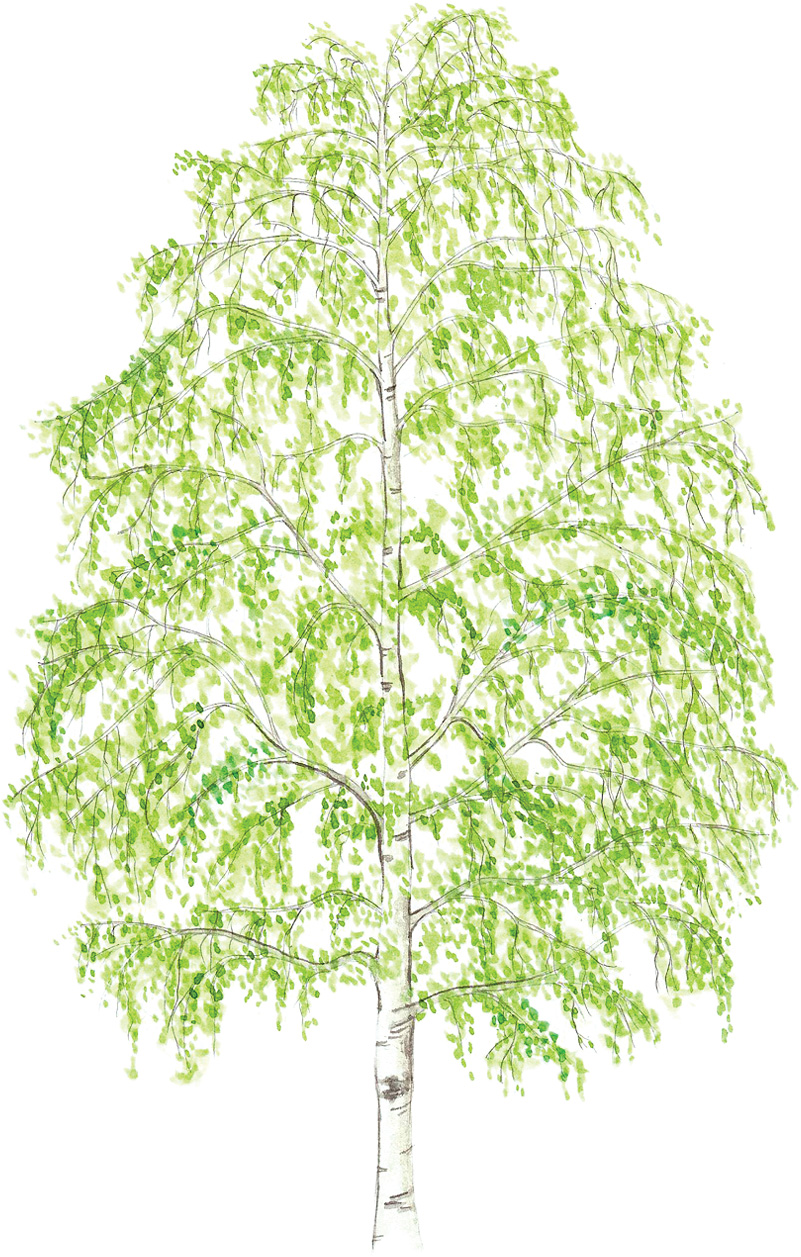
Mesteacăn

The birch lives up to approx. 150 years.
It has a smooth bark, peels and breaks into strips naturally!
Birch is a "pioneer species", that is, it is among the first to grow on vacant or less welcoming soils.
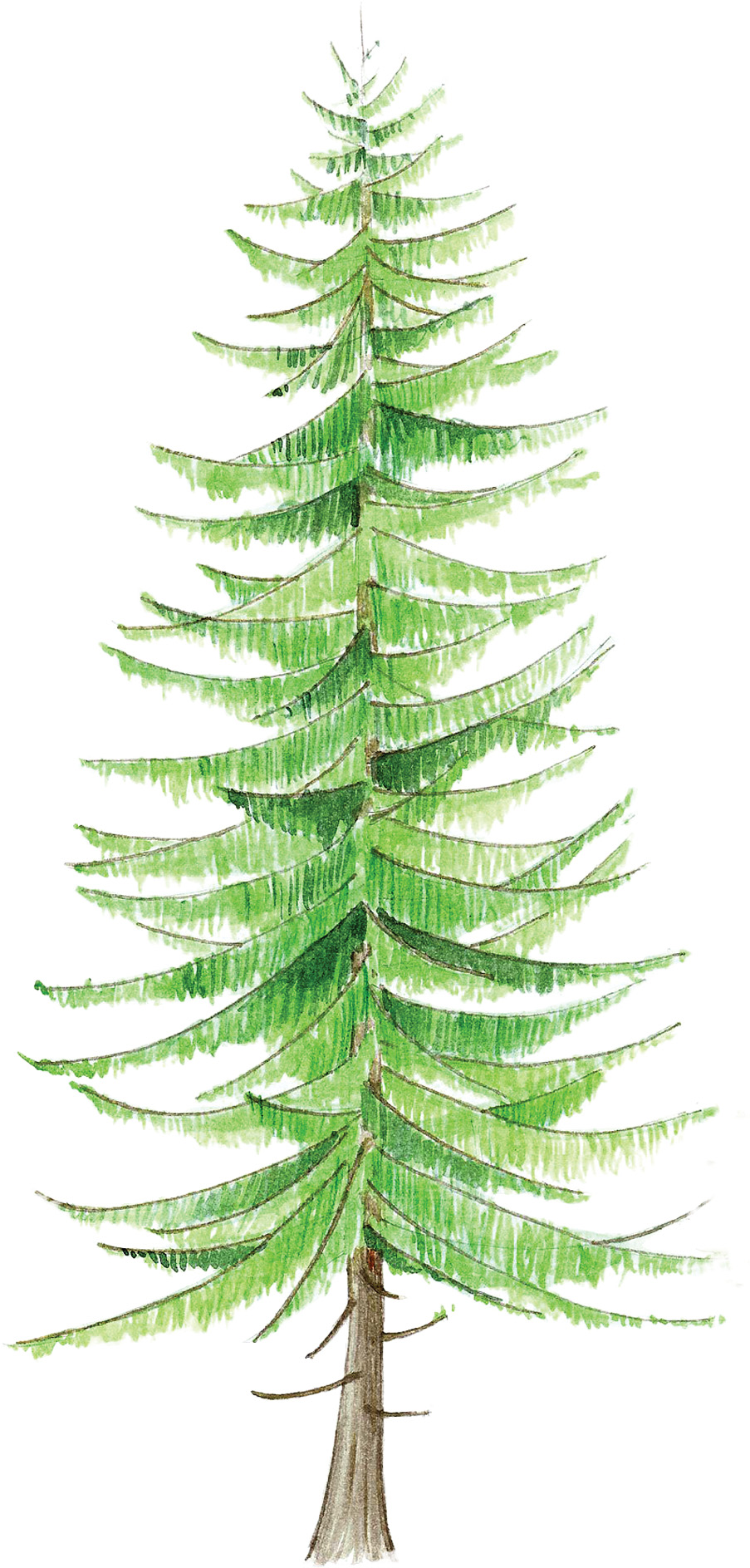
Molidul

Spruce can reach a height of up to 50 m
It has reddish-brown bark sometimes gray, smooth when the tree is young.
We distinguish it from the fir tree by the reddish color of the trunk and by the arrangement of the needles around the branch.
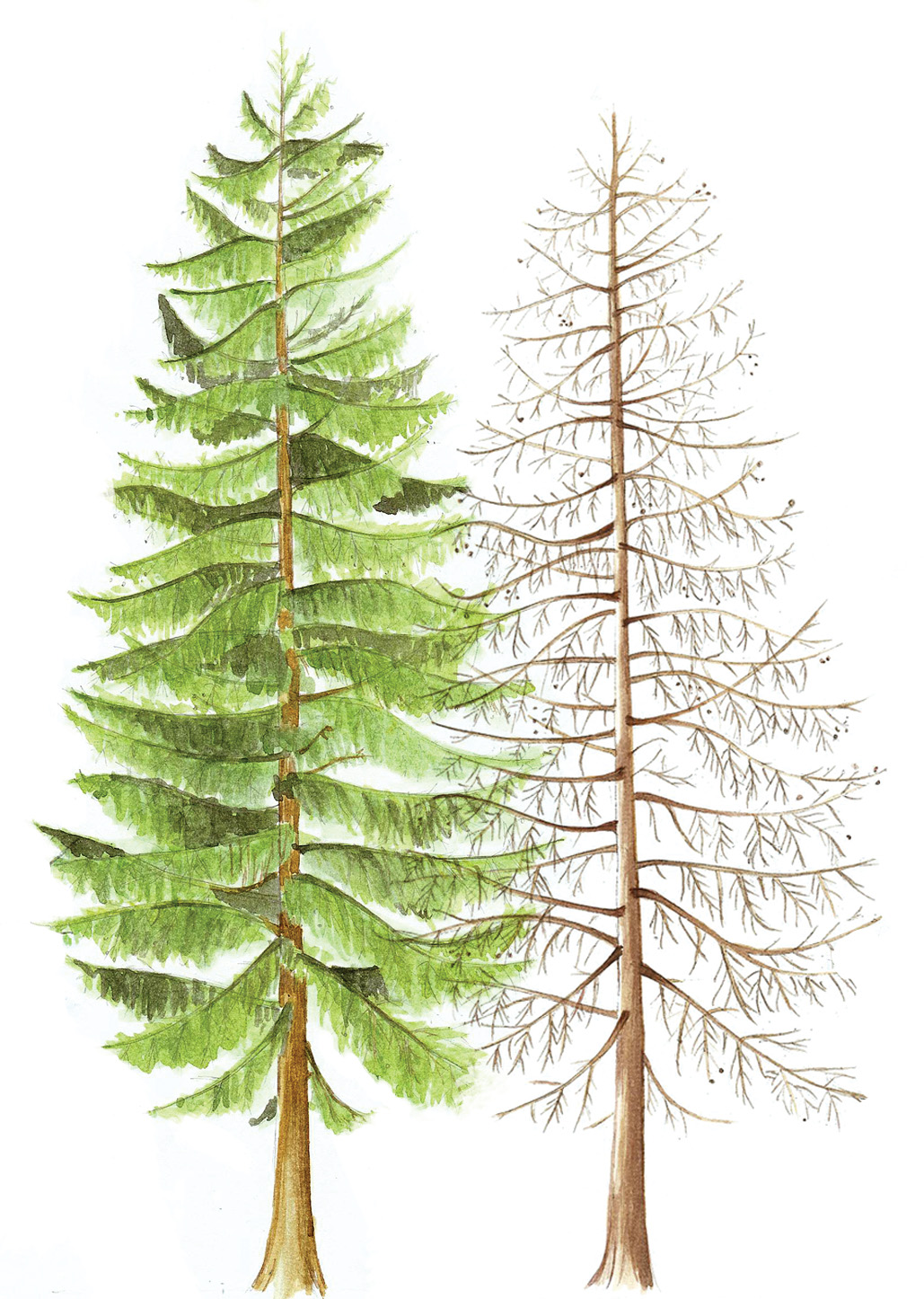
Laricele

The larch (or larch) differs from the other conifers: those fall fall!
It is best noticed in the fall when the tufts in which the needles are arranged turn yellow, falling.
The cone has the shape of an egg and can last for years on the branch, before it falls!
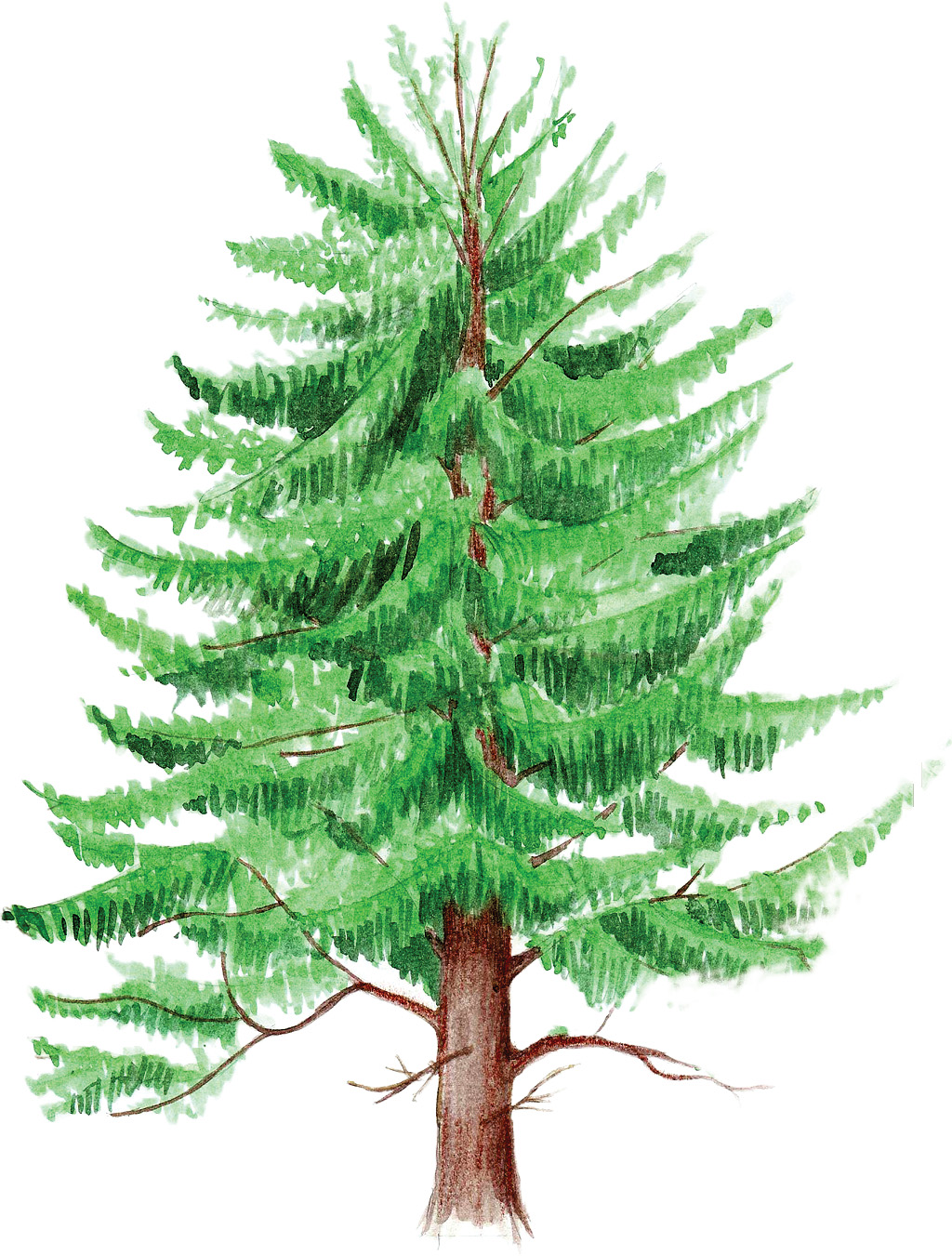
Tisa


It is a rare species and declared a monument of nature.
it can reach 14 m. height and a diameter of 6 m. has the bark is reddish in color.
Tisa is a toxic plant, the only non-toxic part being its red fruit!